 ALIF THREAD
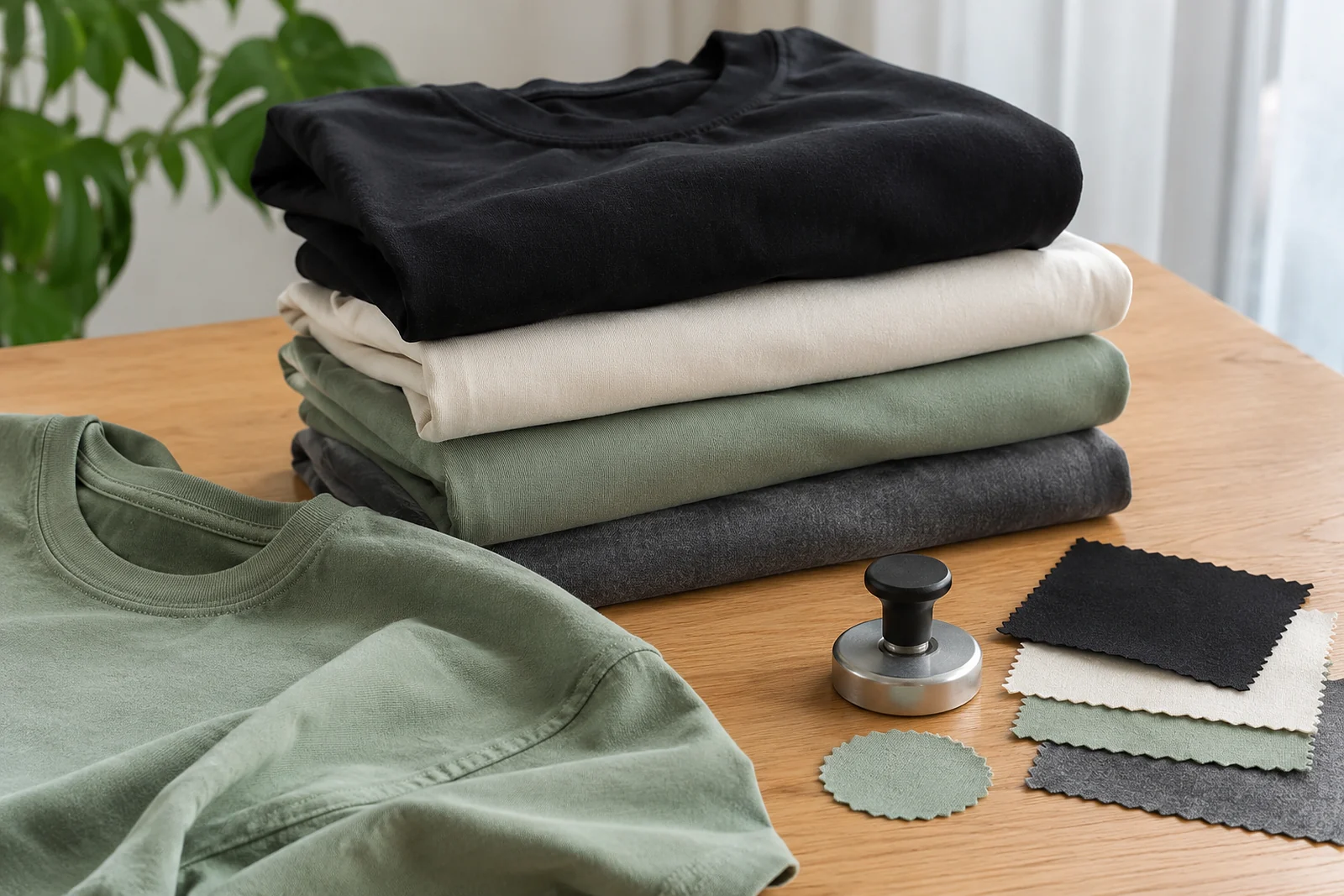
GSM stands for "grams per square meter": it's the standard measurement for fabric weight, and it's one of the first decisions you'll make when developing an oversized t-shirt. Get it wrong, and your shirt either feels flimsy and see-through, or heavy and stiff in a way that undermines the relaxed, boxy silhouette you're going for. Here's how to think about it.
Why GSM matters more on oversized cuts than fitted ones
On a fitted t-shirt, the body naturally supports the fabric, so lighter weights (140-160 GSM) can still look and feel fine. Oversized cuts are different: there's more unsupported fabric hanging away from the body, which means the fabric itself has to carry the drape. Too light, and the shirt looks limp and shapeless instead of intentionally relaxed. Too heavy, and it loses the soft, worn-in look that oversized streetwear is known for.
The three GSM ranges that actually work
180-200 GSM: Everyday oversized basics
This is the sweet spot for most oversized tee programs. It's heavy enough to hold a clean drop-shoulder shape and resist see-through issues under studio lighting, but still soft enough to feel casual. Most streetwear labels launching their first oversized tee land here.
220-240 GSM: Premium, structured streetwear
If you want that thicker, "boxy" look popularized by premium streetwear brands, this is the range. The fabric holds its shape at the hem and sleeve openings without curling, and it photographs well flat-laid. The tradeoff is a slightly higher cost per unit and a warmer feel, which matters if you're targeting warm-climate markets.
250+ GSM: Heavyweight statement pieces
Above 250 GSM, you're firmly in heavyweight territory: sometimes called "cracked cotton" weight in the industry. This works well for cooler-season drops or brands positioning themselves as premium/luxury streetwear, but it's overkill for a core basics line and adds meaningful cost.
GSM isn't the only variable
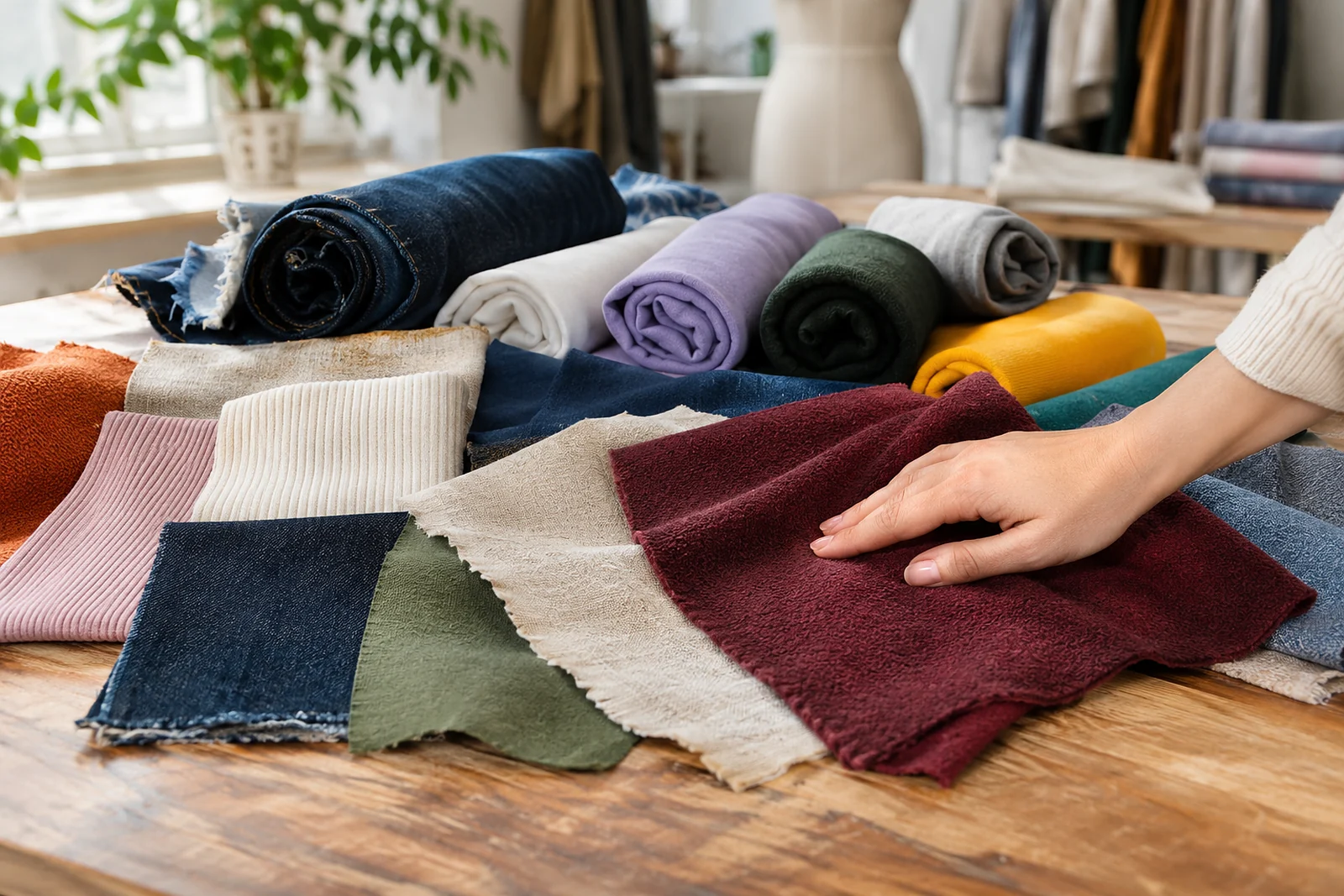
Fabric composition changes how a given GSM feels. A 100% cotton fabric at 200 GSM will drape differently than a cotton-poly blend at the same weight: the poly blend tends to hold its shape better but feels less "premium" to most customers. If you're unsure which combination fits your brand, our fabric library includes real GSM ranges and feel descriptions for each option we manufacture with.
What we recommend for a first order
For most new oversized tee programs, we suggest starting at 200-220 GSM in 100% cotton or a cotton-poly blend. It's forgiving of print and embroidery placement, holds up well to repeated washing, and gives you room to adjust up or down for future seasons once you've seen customer response to the fit.