 ALIF THREAD
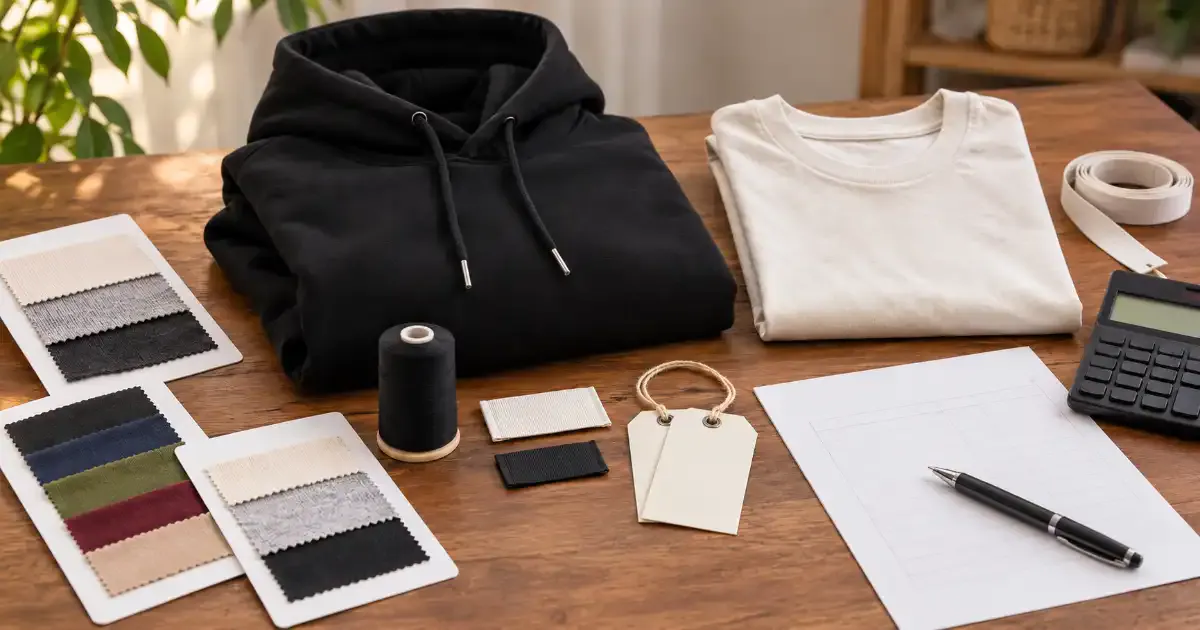
Understanding custom clothing manufacturing costs is one of the most important steps in launching or expanding a successful clothing brand. Whether you are developing your first streetwear collection, introducing a private label apparel line, or sourcing bulk garments for an established business, your production budget directly affects your pricing, inventory, and profitability.
However, there is no universal manufacturing price for custom clothing. The final cost depends on fabric quality, garment construction, order quantity, customization, packaging, and shipping requirements.
This guide explains how clothing manufacturing costs are calculated and how international apparel brands can make better sourcing decisions without compromising product quality.
How Much Does Custom Clothing Manufacturing Cost?
Custom clothing manufacturing costs depend on the garment's design, materials, production complexity, order quantity, and branding requirements. A basic cotton T-shirt generally costs less to manufacture than a heavyweight embroidered hoodie or a technical sportswear garment.
Manufacturers typically evaluate the following expenses before preparing a quotation:
- Fabric and raw materials
- Pattern development
- Sample development
- Cutting and sewing
- Printing and embroidery
- Labels and accessories
- Quality inspection
- Garment finishing
- Custom packaging
Shipping, customs duties, and other import expenses may be additional, depending on the agreed delivery terms.
The most reliable way to determine your manufacturing cost is to request a quotation based on your actual product specifications.
1. Fabric Selection and Material Costs
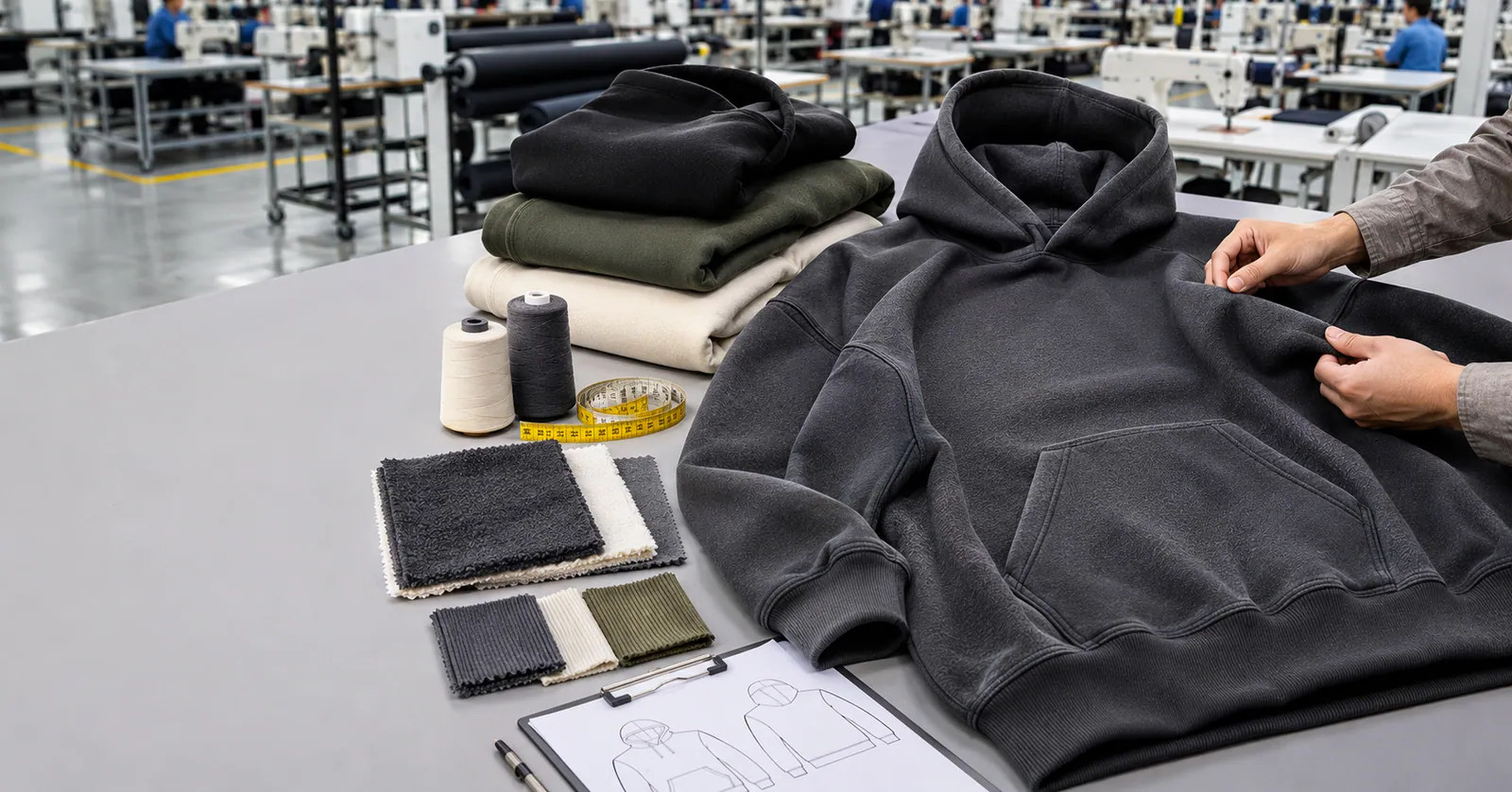
Fabric selection is one of the most significant factors affecting clothing production costs. Two garments with identical designs can have substantially different manufacturing prices because of their materials.
Fabric costs depend on:
- Fiber composition
- Fabric weight, measured in GSM
- Fabric construction
- Dyeing and finishing requirements
- Material availability
- Custom color development
- Performance requirements
For example, a standard cotton T-shirt and a heavyweight oversized streetwear T-shirt may require different fabric weights and consumption levels.
Similarly, a hoodie made from heavyweight brushed fleece may require more material than a lightweight French terry hoodie.
Clothing brands should select fabrics based on their target customers, product positioning, intended use, and retail pricing strategy rather than simply choosing the cheapest material.
Explore our fabric options to understand the materials available for custom apparel development.
2. Minimum Order Quantity and Production Volume
Minimum order quantity, commonly known as MOQ, refers to the smallest production quantity a manufacturer accepts for a particular order.
Order quantity influences manufacturing cost because several production expenses are shared across the garments being manufactured.
For example, pattern preparation, printing setup, machine adjustments, and production planning may require similar initial work for both small and large orders.
Larger production quantities can often reduce the average manufacturing cost per garment. However, ordering more units also increases initial investment and inventory risk.
Startup clothing brands should balance affordable unit costs with realistic sales expectations.
At Alif Thread Industries, minimum orders can start from 50 pieces per color or design, depending on product specifications, materials, and manufacturing requirements.
3. Garment Design and Construction
A garment's construction complexity directly influences the time, equipment, and labor required for production.
A basic T-shirt typically involves fewer construction operations than a multi-pocket jacket, technical tracksuit, or detailed cut-and-sew hoodie.
Design features that can increase production costs include:
- Multiple fabric panels
- Reinforced stitching
- Complex pockets
- Custom zippers and hardware
- Double-layer construction
- Specialized seam finishes
- Detailed garment washing
- Nonstandard sizing requirements
Clothing brands should provide clear design references, measurement charts, and construction details before requesting a quotation.
A well-prepared tech pack helps manufacturers understand the intended product and reduces unnecessary revisions during sample development.
4. Printing and Embroidery Costs
Custom branding is an essential part of apparel manufacturing. The selected decoration method affects both the garment's appearance and its production cost.
- Screen printing: Best for graphic T-shirts and bulk streetwear. Main cost factors: number of colors, print locations, and setup.
- DTF printing: Best for detailed graphics and smaller production runs. Main cost factors: print dimensions and transfer requirements.
- DTG printing: Best for detailed designs on suitable cotton garments. Main cost factors: artwork coverage and pretreatment.
- Embroidery: Best for premium logos, hoodies, polos, and uniforms. Main cost factors: stitch count, design complexity, and size.
- Sublimation: Best for polyester sportswear and team uniforms. Main cost factors: fabric compatibility and print coverage.
There is no single decoration method that offers the lowest cost for every garment. The most suitable option depends on the artwork, fabric, order quantity, and desired appearance.
Alif Thread Industries provides multiple custom manufacturing and decoration services for international apparel brands.
5. Sample Development Costs
Sample development allows clothing brands to evaluate the product before committing to bulk manufacturing.
A physical sample can help confirm garment fit, measurements, fabric quality, color, stitching, branding placement, and overall appearance.
Sampling costs may include pattern development, material sourcing, sample construction, printing, embroidery, revisions, and courier delivery.
Although sampling increases initial development expenses, approving a suitable sample before bulk production can help reduce the risk of costly manufacturing mistakes.
Brands should confirm sample charges, revision policies, and development timelines with their manufacturer before beginning a project.
6. Private Label and Custom Packaging Costs
Private label manufacturing allows clothing brands to sell garments under their own brand identity.
Beyond the garment itself, brands may require custom woven neck labels, printed labels, size labels, care labels, branded hang tags, individual garment bags, or custom retail packaging.
Each additional component contributes to the manufacturing budget.
New clothing brands can start with essential branding elements and introduce more elaborate packaging as sales volumes grow.
International buyers should also communicate the labeling requirements of their destination market before production begins.
7. How Clothing Manufacturing Costs Differ by Product
Different apparel categories have different material, labor, and equipment requirements.
- Custom T-shirts: Fabric GSM, fit, printing, and finishing
- Oversized T-shirts: Fabric consumption, garment weight, and graphics
- Hoodies: Fleece weight, pockets, ribbing, and decoration
- Tracksuits: Fabric consumption, multiple garments, zippers, and trims
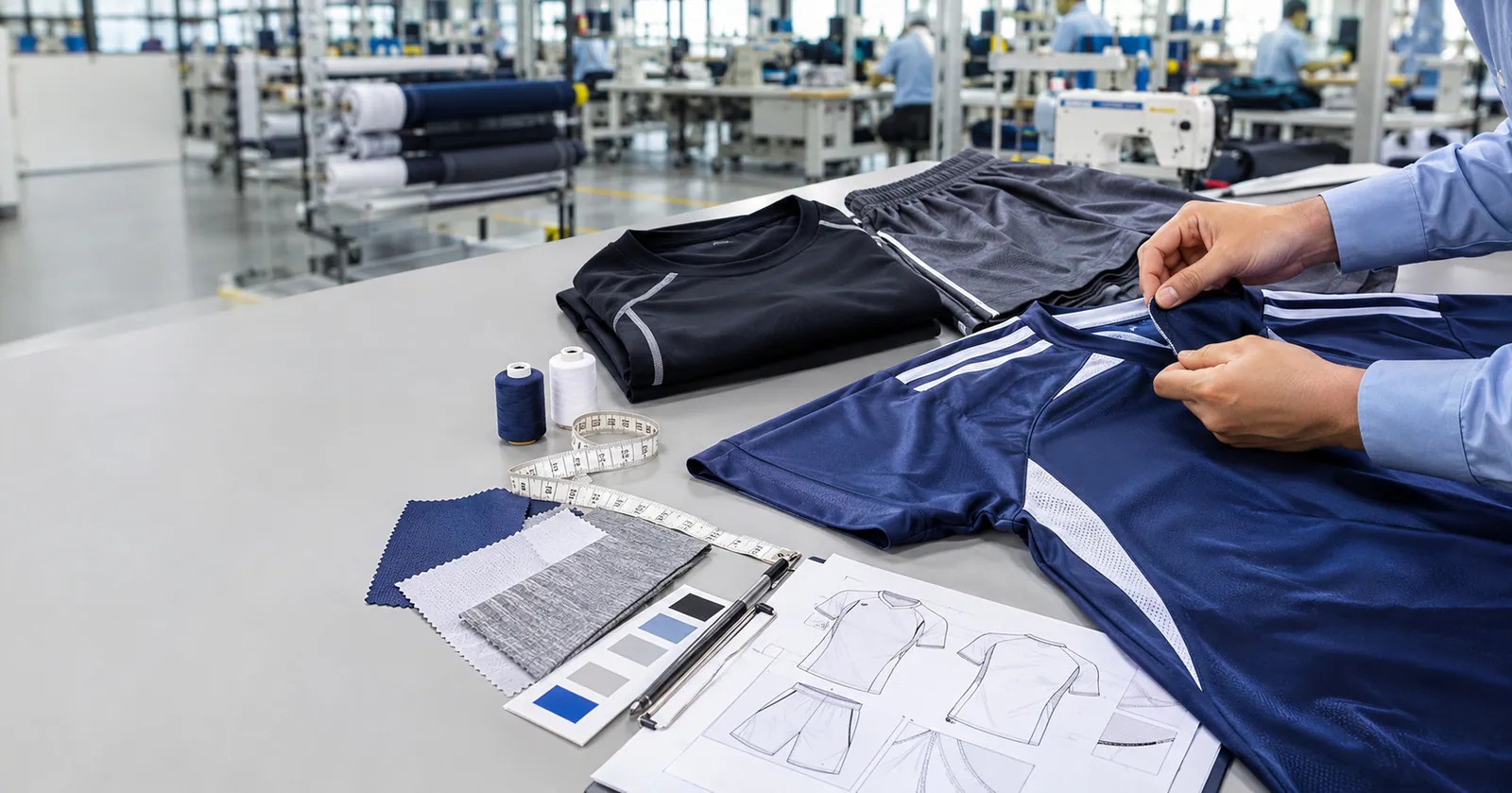
- Sportswear: Performance fabrics, stretch, construction, and sublimation
- Denim jeans: Denim quality, washing, hardware, and stitching
- Jackets: Outer fabric, lining, insulation, and hardware
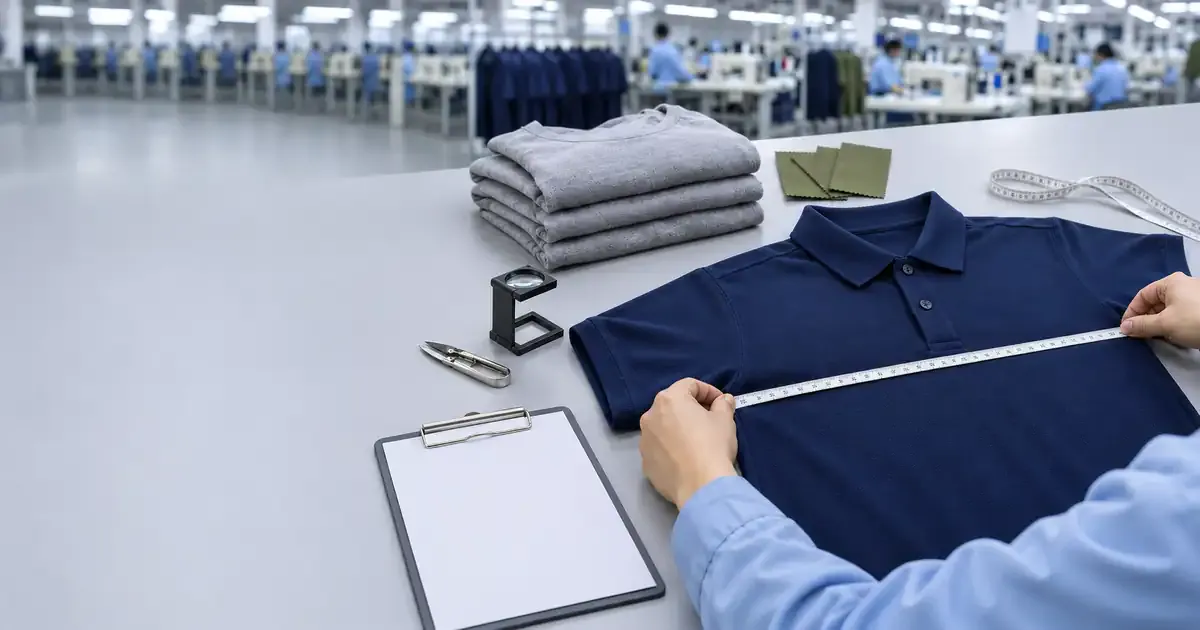
- Polo shirts: Fabric construction, collar, buttons, and embroidery
These factors are why manufacturers require product-specific information instead of offering one standard price for every type of clothing.
You can explore the custom apparel product range at Alif Thread Industries to identify suitable categories for your collection.
8. Understanding Landed Cost for International Clothing Brands
The factory quotation is not always the complete cost of receiving your products.
International clothing brands should calculate their landed cost before setting wholesale or retail prices.
Landed cost represents the total expense of bringing manufactured goods to their intended destination.
Landed cost per garment = Total applicable production, shipping, insurance, customs, clearance, and delivery expenses divided by the number of garments received.
Depending on your agreement with the manufacturer, additional expenses may include:
- International freight
- Shipping insurance
- Import duties and applicable taxes
- Customs brokerage
- Destination handling
- Local transportation
For clothing brands importing into the United States, the applicable customs classification, garment composition, country of origin, and current import requirements should be reviewed before confirming the final budget.
Buyers can consult the US Harmonized Tariff Schedule or a qualified customs broker for applicable tariff information.
Comparing manufacturers based on landed cost rather than factory price alone can lead to more informed purchasing decisions.
9. How to Reduce Clothing Manufacturing Costs Without Sacrificing Quality
Reducing production expenses does not necessarily require using inferior materials.
Clothing brands can improve cost efficiency by making informed decisions during product development.
Consider starting with a focused collection rather than launching too many designs simultaneously. Where appropriate, use common fabrics across several styles to simplify sourcing.
Prepare accurate tech packs and confirm artwork, measurements, and color requirements before sample development. Avoid unnecessary design changes after production has been approved.
Choose decoration techniques that suit the order quantity and fabric. Simplify packaging where premium packaging is not essential to the product's positioning.
Finally, plan production and shipping schedules early to reduce the possibility of expensive urgent freight.
The objective should be to achieve the right balance between manufacturing cost, product quality, customer expectations, and long-term profitability.
10. Custom Clothing Manufacturing Costs in Pakistan
Pakistan is an established textile and apparel manufacturing market that international brands can consider when sourcing custom garments.
Sialkot is home to manufacturers serving international apparel, sportswear, and private label buyers.
However, production costs vary between manufacturers and depend on materials, technical requirements, order volume, quality standards, and available manufacturing capabilities.
When comparing clothing manufacturers in Pakistan, brands should evaluate sample quality, communication, production capabilities, customization options, order flexibility, and total delivery costs.
The lowest initial quotation is not necessarily the best manufacturing arrangement for a growing clothing brand.
A reliable sourcing decision should consider the complete production process and the manufacturer's ability to meet the agreed specifications.
11. What Information Do You Need to Get an Accurate Manufacturing Quote?
To receive a useful custom clothing manufacturing quotation, prepare the following information before contacting a supplier:
- Product type and design references
- Required order quantity
- Quantity per design and color
- Fabric composition and preferred GSM
- Size range and size distribution
- Garment measurements or tech pack
- Printing and embroidery artwork
- Branding and labeling requirements
- Packaging preferences
- Delivery destination
- Required delivery date
Providing detailed information helps manufacturers evaluate material requirements, production complexity, customization, and shipping arrangements more accurately.
If you have not finalized every specification, you can begin by sharing your design references and discussing suitable manufacturing options.
Custom Clothing Manufacturing with Alif Thread Industries
Alif Thread Industries is a custom clothing manufacturer and exporter based in Sialkot, Pakistan, serving international clothing brands, private label businesses, sportswear companies, and wholesale apparel buyers.
Our manufacturing services include fabric sourcing, pattern development, sampling, cut-and-sew production, printing, embroidery, custom branding, packaging, and quality inspection.
With flexible minimum order quantities starting from 50 pieces per color or design for eligible products, we support clothing brands developing their first collections as well as businesses planning larger production orders.
Every project has different technical and commercial requirements. Our quotation process evaluates your product specifications, requested quantities, customization options, and delivery preferences before confirming pricing.
Frequently Asked Questions
How much does it cost to manufacture custom clothing?
The cost depends on garment type, fabric, design complexity, production quantity, customization, and packaging. An accurate price requires a product-specific manufacturing quotation.
Is manufacturing clothing in bulk cheaper?
Larger production quantities can reduce the average cost per garment by distributing setup expenses across more units. However, brands should also consider inventory investment and sales demand.
Can I manufacture clothing with a minimum order of 50 pieces?
Yes. Alif Thread Industries offers minimum orders starting from 50 pieces per color or design for eligible products, subject to material availability and manufacturing requirements.
Does custom embroidery increase clothing manufacturing costs?
Embroidery can increase manufacturing costs depending on the design size, stitch count, thread requirements, and order quantity.
Is sample development included in bulk manufacturing prices?
Sampling policies vary by manufacturer and project. Buyers should confirm whether sample costs are separate, included, or eligible for adjustment against a bulk order.
How can I get a clothing manufacturing quote?
Prepare your product design, required quantity, fabric specifications, size breakdown, branding details, and delivery destination. Share these details with your manufacturer for a customized quotation.
Are shipping and customs duties included in manufacturing costs?
Not always. Whether shipping and customs-related expenses are included depends on the quotation and agreed delivery terms. Buyers should confirm these details before placing an order.
Request a Custom Clothing Manufacturing Quote
Planning your next clothing collection?
Whether you are launching a streetwear brand, developing a private label apparel collection, or expanding an established clothing business, Alif Thread Industries can help you evaluate your manufacturing requirements.
Share your design, tech pack, fabric preferences, and estimated quantities to discuss suitable production options.
Alif Thread Industries
Custom Clothing Manufacturer and Exporter
Sialkot, Punjab, Pakistan
Email: info@alifthreadindustries.com
Phone and WhatsApp: +92 328 5508339