 ALIF THREAD
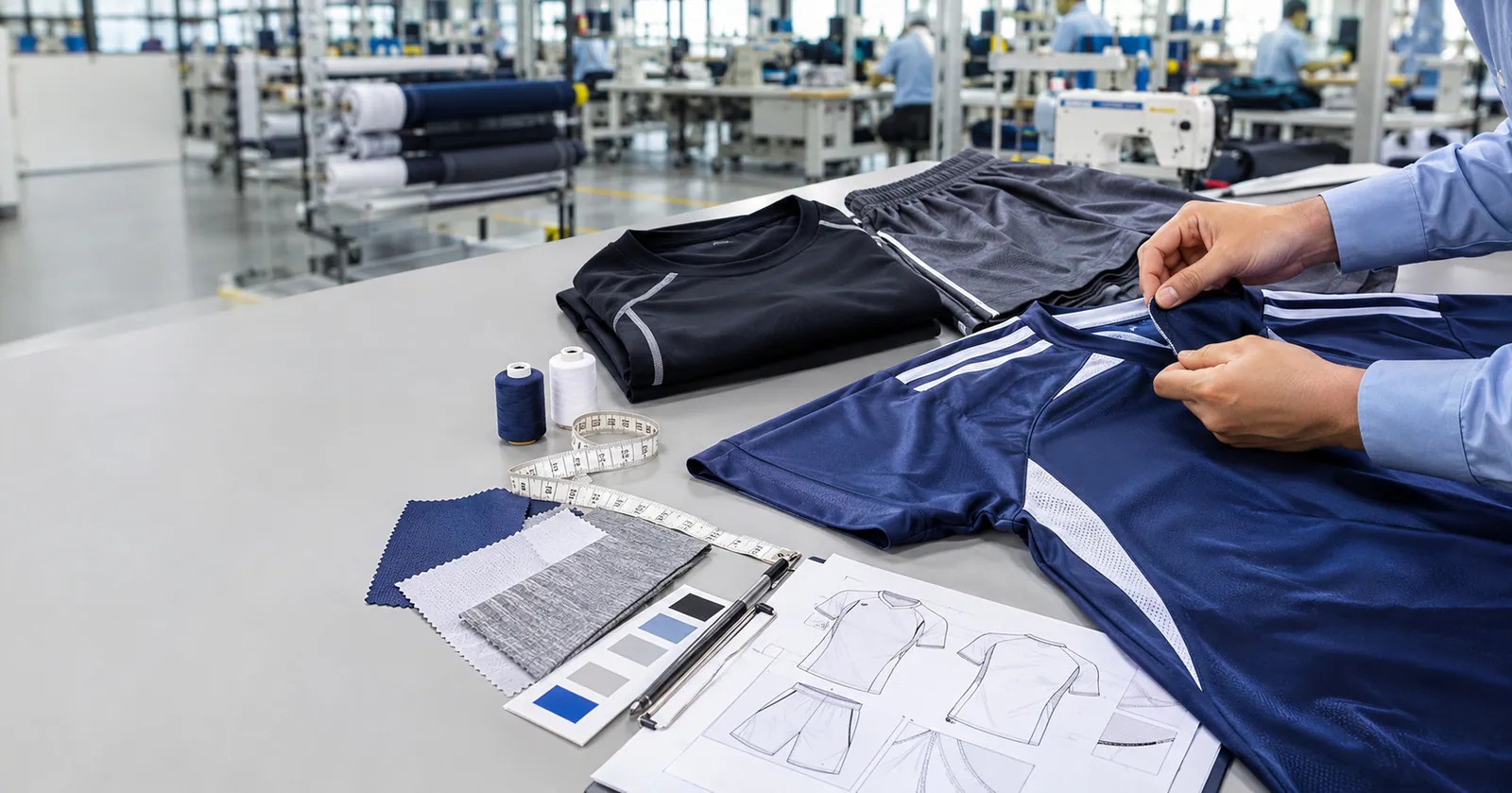
Custom sportswear manufacturing plays an important role in helping clothing brands develop athletic apparel that combines performance, comfort, durability, and brand identity. Whether you are launching a fitness clothing brand, developing custom team uniforms, or expanding an established sportswear collection, understanding the manufacturing process is essential.
Unlike purchasing generic wholesale garments, custom sportswear manufacturing allows brands to select fabrics, develop garment patterns, customize measurements, apply branding, and control product specifications.
This guide explains the essential stages of custom sportswear manufacturing, including fabric selection, design development, printing methods, sampling, quality control, and bulk production.
What Is Custom Sportswear Manufacturing?
Custom sportswear manufacturing is the process of producing athletic clothing according to a brand's specific design, fabric, construction, and branding requirements.
The manufacturing process can include fabric sourcing, technical pattern development, sample production, cutting, sewing, printing, embroidery, quality inspection, and final packaging.
Sportswear brands commonly develop products such as:
- Custom soccer and football jerseys
- Basketball uniforms
- Running shirts and shorts
- Gym and fitness apparel
- Compression-style training clothing
- Yoga leggings and activewear
- Custom tracksuits
- Performance polo shirts
- Team uniforms
- Private label athletic clothing
The appropriate manufacturing method depends on the intended activity, product specifications, and commercial requirements.
1. Choosing the Right Sportswear Fabric
Fabric selection is one of the most important decisions in sportswear development. Different athletic activities require different combinations of stretch, breathability, durability, moisture management, and comfort.
Polyester Performance Fabrics
Polyester is commonly used in sportswear because it can offer durability, dimensional stability, and relatively quick drying.
Polyester fabrics are frequently selected for soccer jerseys, basketball uniforms, running shirts, and training apparel.
However, performance depends on fabric construction, finishing treatments, and garment design.
Polyester and Spandex Blends
Polyester and spandex blends are often used for garments requiring additional stretch and flexibility.
These fabrics may be suitable for gym leggings, fitted training shirts, yoga clothing, and performance apparel.
The appropriate stretch percentage should be selected according to the garment's intended fit and activity.
Nylon and Spandex Fabrics
Nylon and spandex blends are frequently considered for activewear collections requiring a smooth fabric surface, flexibility, and abrasion resistance.
Clothing brands should evaluate physical fabric samples before making a final material selection.
Cotton Blends
Cotton blends may be appropriate for lifestyle sportswear, casual gym clothing, and athleisure collections.
However, cotton-rich fabrics may retain more moisture than suitable performance synthetics, depending on their composition and construction.
Explore the available fabric sourcing and customization options at Alif Thread Industries.
2. Understanding GSM in Sportswear Manufacturing
GSM stands for grams per square meter and measures fabric weight.
Fabric weight influences garment feel, coverage, structure, and material consumption.
Lightweight fabrics may be appropriate for running shirts and warm-weather training apparel, while heavier constructions may be preferred for tracksuits and structured athletic garments.
Higher GSM does not automatically indicate better quality.
Brands should evaluate fabric weight together with fiber composition, breathability, stretch, recovery, and intended use.
3. Sportswear Design and Pattern Development
After choosing the appropriate fabric, the next step is developing the garment's technical specifications.
A professional sportswear tech pack should include:
- Front and back technical drawings
- Fabric composition and GSM
- Garment measurement charts
- Size grading requirements
- Stitching and seam specifications
- Color references
- Logo dimensions and placement
- Printing and embroidery requirements
- Brand labeling instructions
- Packaging specifications
Detailed technical specifications help manufacturers understand the intended product and reduce unnecessary revisions.
For fitted activewear, pattern development must account for fabric stretch, movement requirements, and garment proportions.
4. Custom Sportswear Printing Methods
Printing and decoration allow sportswear brands to create recognizable products with their own designs, logos, colors, and visual identity.
Sublimation Printing
Sublimation printing is commonly used for compatible polyester sportswear.
It is particularly suitable for colorful team jerseys, detailed graphics, and all-over designs on appropriate materials.
The process transfers dye into compatible synthetic fibers using heat.
Screen Printing
Screen printing is commonly used for logos, lettering, and graphic designs.
It can be an economical option for suitable production quantities, depending on artwork complexity, colors, and print locations.
DTF Printing
Direct-to-film printing allows detailed designs to be transferred onto compatible garments.
Brands should evaluate sample transfers to confirm suitable appearance, flexibility, and durability.
Custom Embroidery
Embroidery is frequently selected for logos on sports polos, tracksuits, jackets, and teamwear.
The appropriate embroidery method depends on fabric structure, design complexity, stitch count, and garment construction.
Explore the custom printing, embroidery, and manufacturing services offered by Alif Thread Industries.
5. Sportswear Sample Development
Sample development is an essential stage before bulk production.
A physical sample allows clothing brands to evaluate the intended garment and identify required adjustments.
During sample approval, brands should review:
- Garment fit and overall appearance
- Fabric quality and comfort
- Stretch and recovery
- Measurement accuracy
- Stitching and seam construction
- Printing and embroidery placement
- Color consistency
- Labels and finishing
For performance apparel, it is particularly important to evaluate how the garment behaves during movement.
Any required changes should be documented before approving the final sample.
6. Custom Sportswear Bulk Production Process
After the sample is approved, the manufacturer can prepare for bulk production.
A typical sportswear manufacturing workflow includes:
- Finalizing product specifications
- Confirming fabric and trim requirements
- Preparing production patterns
- Cutting fabric
- Sewing and assembling garments
- Applying printing or embroidery
- Conducting in-line quality checks
- Inspecting finished garments
- Packaging products for shipment
Production timelines vary according to fabric availability, order quantity, customization requirements, and production scheduling.
Clothing brands should confirm the agreed production schedule before launching marketing campaigns or committing to customer delivery dates.
7. Quality Control in Sportswear Manufacturing
Sportswear garments often experience repeated stretching, movement, perspiration, and washing.
Consequently, quality control should focus on the garment's intended performance requirements.
Important inspection areas may include:
- Fabric appearance and consistency
- Garment measurement accuracy
- Stitching and seam strength
- Stretch and recovery
- Colorfastness
- Dimensional stability after washing
- Printing and embroidery durability
- Labeling and packaging accuracy
Testing requirements should be agreed upon before bulk production.
A compression garment, for example, may require different performance checks from a loose-fitting basketball jersey.
8. Private Label Sportswear Manufacturing
Private label sportswear manufacturing allows clothing businesses to develop athletic apparel under their own brand identity.
Depending on product requirements, customization may include:
- Custom neck labels
- Woven brand labels
- Printed size labels
- Care labels
- Custom hang tags
- Personalized garment colors
- Logo printing and embroidery
- Branded packaging
Before approving labels, brands should verify the applicable textile labeling and product requirements in their target markets.
9. What Affects Custom Sportswear Manufacturing Costs?
Custom sportswear manufacturing costs depend on several factors.
- Fabric composition and quality
- Fabric consumption
- Garment construction complexity
- Order quantity
- Printing and embroidery requirements
- Pattern and sample development
- Custom labels and packaging
- Quality testing requirements
- International shipping arrangements
A basic training shirt and a technical performance jacket require different production processes and should be quoted individually.
The most accurate quotation is based on complete product specifications.
10. How to Choose a Reliable Sportswear Manufacturer
Before selecting a sportswear manufacturing partner, international clothing brands should evaluate the factory's capabilities and communication process.
Important questions include:
- Can the manufacturer produce the required sportswear category?
- Can suitable performance fabrics be sourced?
- Does the manufacturer offer sample development?
- Can the factory follow a technical garment specification?
- What printing and embroidery techniques are available?
- How are product measurements and quality checked?
- What minimum order quantities apply?
- What production timelines can be confirmed?
- Can the manufacturer arrange international shipping?
A suitable manufacturer should be able to evaluate your product requirements and communicate realistic production expectations.
Custom Sportswear Manufacturing at Alif Thread Industries
Alif Thread Industries is a custom clothing manufacturer and exporter based in Sialkot, Punjab, Pakistan.
The company supports international clothing brands, private label businesses, and sportswear buyers with custom garment manufacturing services.
Its manufacturing capabilities include fabric sourcing, pattern development, sample development, cut-and-sew production, printing, embroidery, custom labeling, and packaging.
The company's product range includes sportswear and teamwear for different athletic activities.
Minimum order quantities can start from 50 pieces per color for eligible products, depending on design, materials, and production requirements.
Explore the custom sportswear and teamwear collection to learn about available product categories.
Frequently Asked Questions
What is custom sportswear manufacturing?
Custom sportswear manufacturing involves producing athletic garments according to a clothing brand's design, fabric, sizing, construction, and branding specifications.
What fabric is best for custom sportswear?
The best fabric depends on the intended activity. Polyester is commonly used for jerseys, while polyester-spandex and nylon-spandex blends are often considered for fitted activewear.
Can I manufacture sportswear with my own logo?
Yes. Custom sportswear can incorporate printed logos, embroidery, brand labels, and other suitable customization methods.
What is the minimum order quantity for custom sportswear?
Minimum quantities vary by product and manufacturer. Alif Thread Industries offers starting quantities of 50 pieces per color for eligible custom clothing orders.
Is sublimation printing suitable for sports jerseys?
Yes. Sublimation is commonly used for compatible polyester sportswear, particularly when designs require detailed graphics or extensive color coverage.
Can startup clothing brands order custom activewear?
Yes. Startup brands can work with manufacturers offering suitable minimum quantities, sampling services, and product development support.
How do I request a custom sportswear manufacturing quotation?
Prepare your product design, fabric preferences, estimated order quantity, size breakdown, branding requirements, and delivery destination. Share these details with your manufacturer for evaluation.
Start Your Custom Sportswear Manufacturing Project
Developing a successful sportswear collection requires careful attention to fabric selection, fit, customization, quality, and manufacturing consistency.
Alif Thread Industries supports international clothing brands with custom sportswear and private label apparel manufacturing.
Share your product designs, technical specifications, fabric preferences, and estimated quantities to discuss your manufacturing requirements.
Alif Thread Industries
Custom Clothing Manufacturer and Exporter
Sialkot, Punjab, Pakistan
Email: info@alifthreadindustries.com
Phone / WhatsApp: +92 328 5508339