 ALIF THREAD
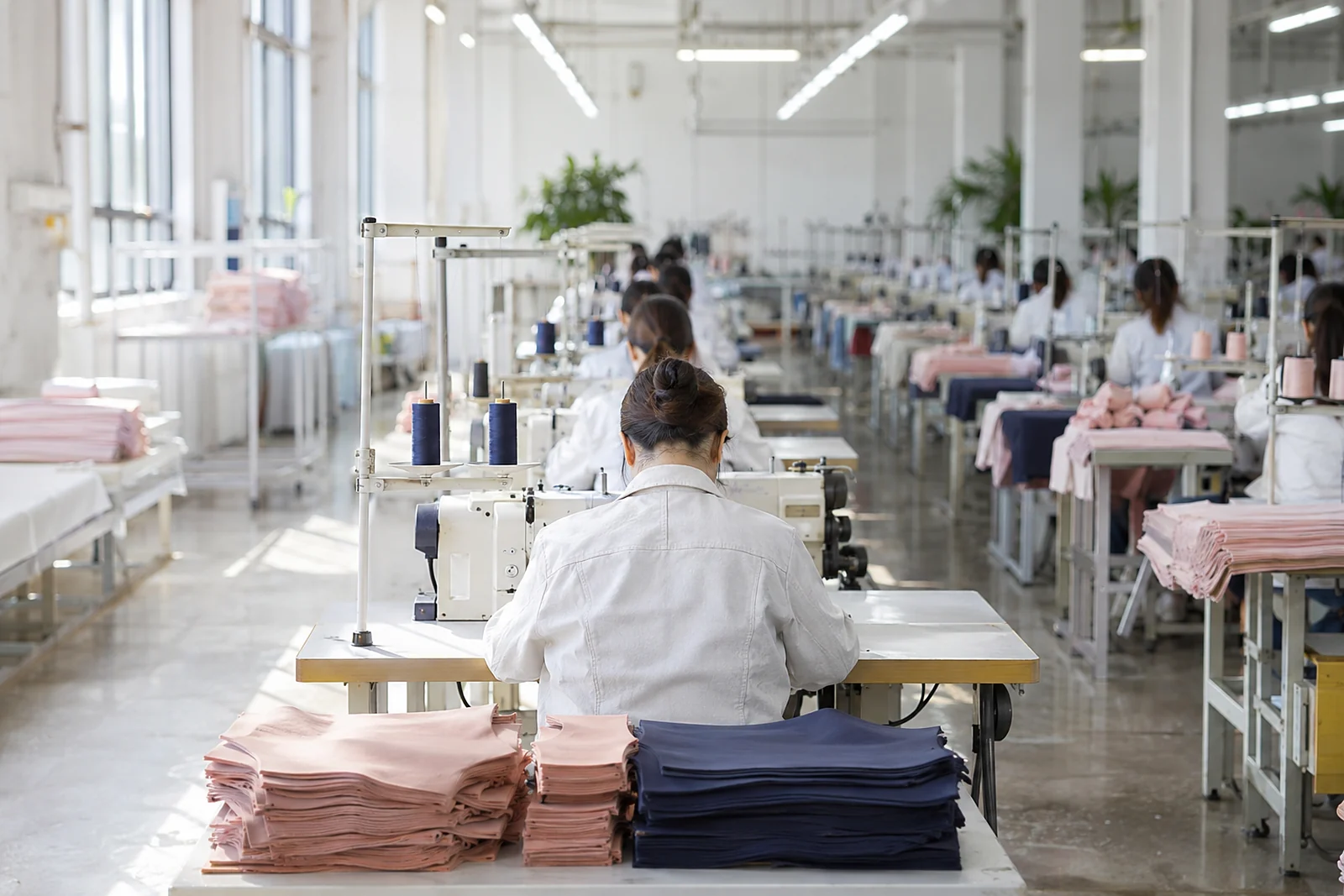
Pakistan (and Sialkot specifically) has a long history in textile and sportswear manufacturing, but not every supplier operates at the same standard. Here's what to actually check before committing to a manufacturing partner.
Verify real certifications, not just claims
Look for concrete, verifiable credentials rather than vague statements like "quality guaranteed." Relevant certifications include REX (Registered Exporter, required for EU export documentation), membership with a local chamber of commerce (such as SCCI: the Sialkot Chamber of Commerce and Industry), and marketplace verification badges like Alibaba Verified Supplier status. Ask for documentation, not just a mention on a website.
Request a paid sample before any bulk commitment
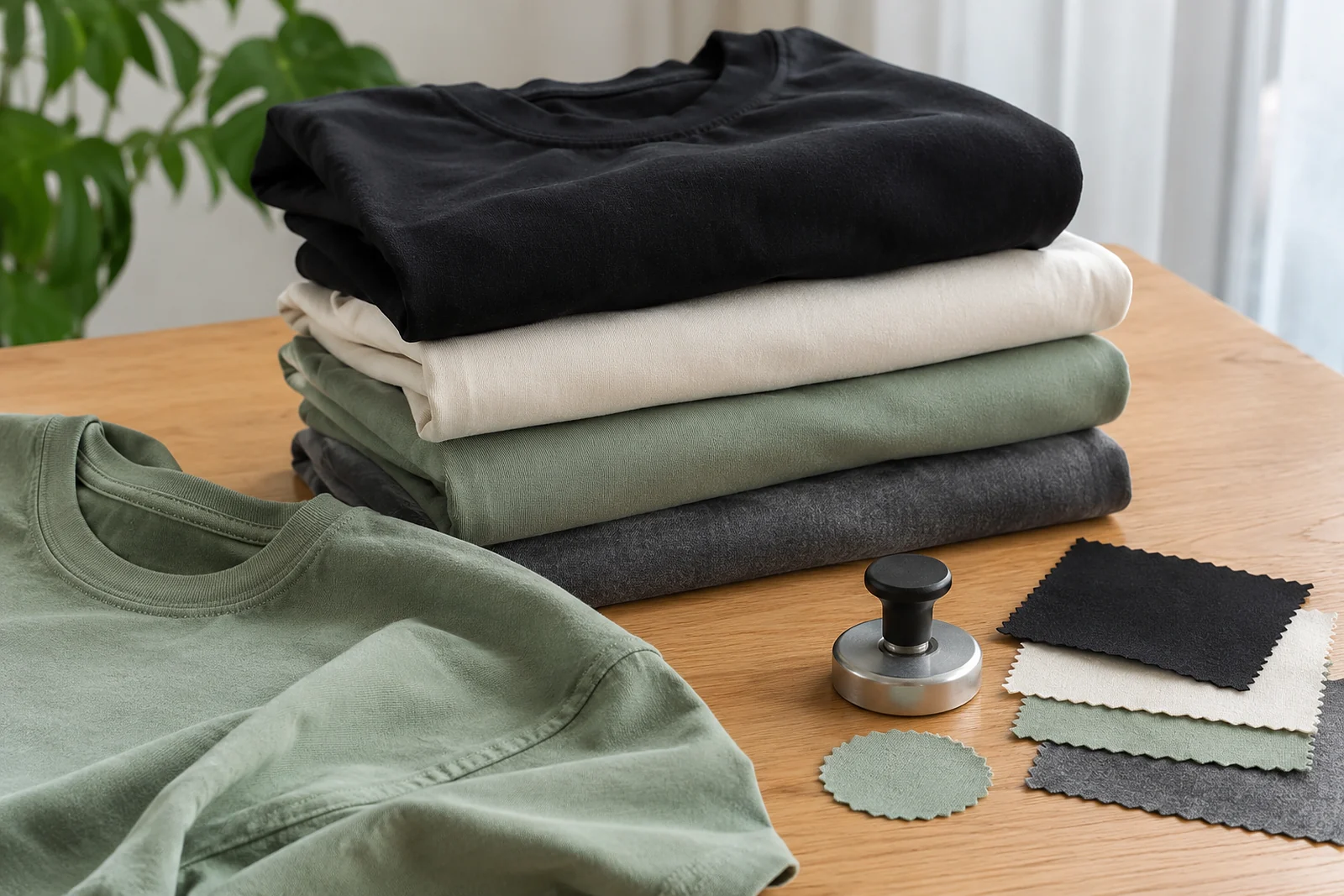
A manufacturer's willingness to produce a sample (and the quality of that sample) tells you more than any sales conversation. Be cautious of suppliers who push directly toward bulk orders without offering a sampling stage first.
Evaluate communication speed and clarity, early
How a supplier communicates during the inquiry stage is a strong predictor of how they'll communicate during a live production run, when issues are more costly to resolve slowly. Response time, clarity of answers, and willingness to explain their process in detail are all meaningful signals.
Check their actual product range against your needs
Some manufacturers specialize narrowly (only t-shirts, for example), while others (like full-service factories) cover a wide range of categories from sportswear to modest wear to accessories. If you plan to expand your product line over time, a manufacturer with broader category coverage saves you from managing multiple supplier relationships later.
Understand their fabric sourcing
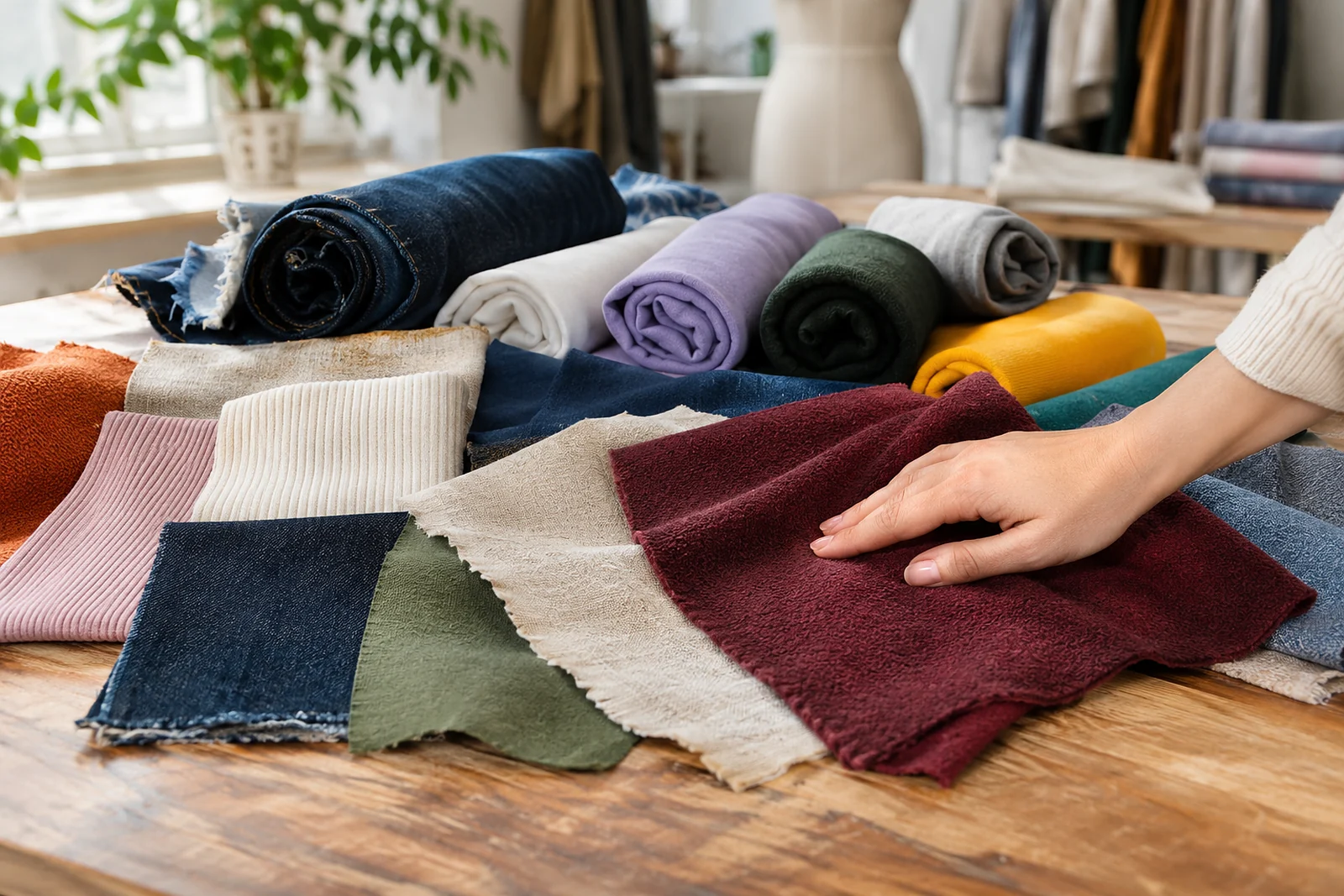
Ask whether fabric is sourced locally, imported, or both. Manufacturers with access to imported fabrics (like Japanese cotton, Korean silk or Irish linen) alongside standard local fabrics give you more flexibility for premium product lines without needing a separate supplier.
Confirm shipping and export experience
A manufacturer with established relationships for shipping to your target market (US, UK, EU, Canada, etc.) will typically move faster and hit fewer customs-related snags than one shipping to that region for the first time. Ask directly about their experience shipping to your specific country.
Ultimately, the most reliable way to evaluate a manufacturer is to start small (a sample order, then a modest first production run) before scaling up. You can see our own certifications and factory details on our About Us page.