 ALIF THREAD
The hardest part of a first clothing order is usually not the design. It is putting money into inventory before you know which sizes, colors and styles your customers will actually buy. Many factories quote minimums of several hundred pieces per style, which forces a new brand to guess big and hope for the best. A 50 piece minimum changes that math. It lets you produce a real, branded product in a quantity small enough to sell, learn from and reorder.
This guide explains how a 50 piece minimum order works in practice, how to plan your first run so the quantity works in your favor, and what to prepare before you contact a low MOQ clothing manufacturer. It is written from the factory side of the table, by a custom clothing manufacturer in Pakistan that produces small first orders for independent brands alongside larger repeat runs.
What a 50 piece minimum order actually means
MOQ stands for minimum order quantity, the smallest number of units a factory will produce in a single production run. The number on its own tells you very little. What matters is what the minimum is counted against.
Factories usually count it in one of three ways: per style, per color within a style, or per total order. Maker's Row explains that most manufacturers apply the minimum per colorway, so a 100 unit minimum on a tee offered in three colors usually means 300 pieces in total, not 100.
At Alif Thread Industries, the minimum starts from 50 pieces per color and design for most garment categories. In plain terms, one hoodie design in black is one 50 piece run. The same hoodie in black and heather grey is two runs, or 100 pieces. The 50 pieces in each run can be divided across sizes, so you do not need 50 of every size. The exact minimum for your product is confirmed in your quote, because fabric, decoration and construction can all affect it.
Why fabric can change the minimum
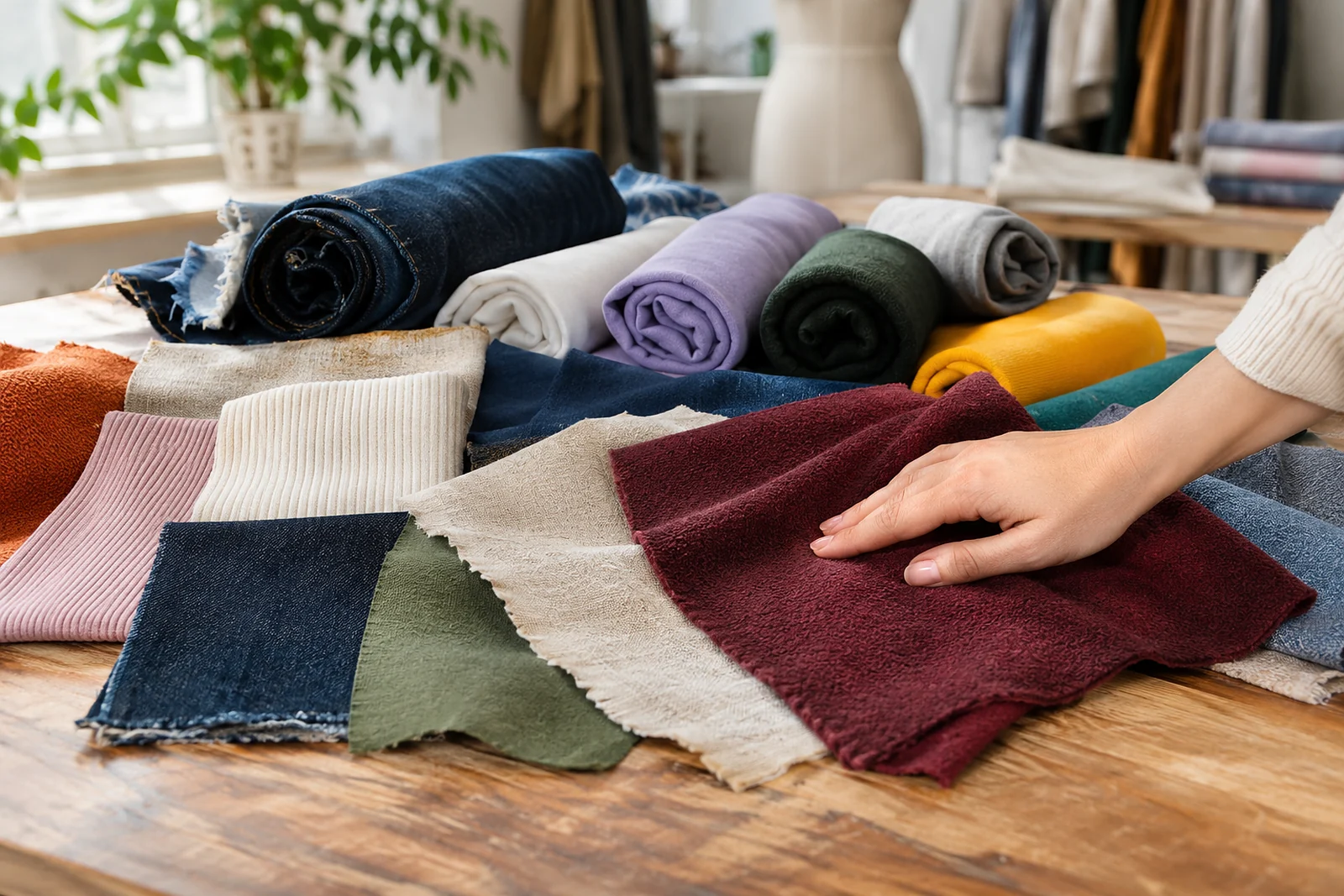
On a small order, the sewing floor is rarely the real constraint. Fabric is. Mills that dye fabric to a custom color set their own minimums, often measured in hundreds of yards, and a 50 piece order may use only a fraction of that. When a brand asks for an exact color match on a 50 piece run, the factory either has to buy far more fabric than the order needs or raise the minimum to absorb the difference.
The practical answer for a first order is to choose from colors that are already available in the fabric and weight you want. Save custom dyed colors for a later order, when the quantity justifies the extra fabric. Ask your manufacturer directly which colors can be produced at the base minimum and which ones would require a larger run.
Plan a first collection that fits the minimum
The most common mistake with a low minimum is treating it as permission to launch a large range. Ten designs at 50 pieces each is 500 garments, which puts you right back in the inventory problem you were trying to avoid.
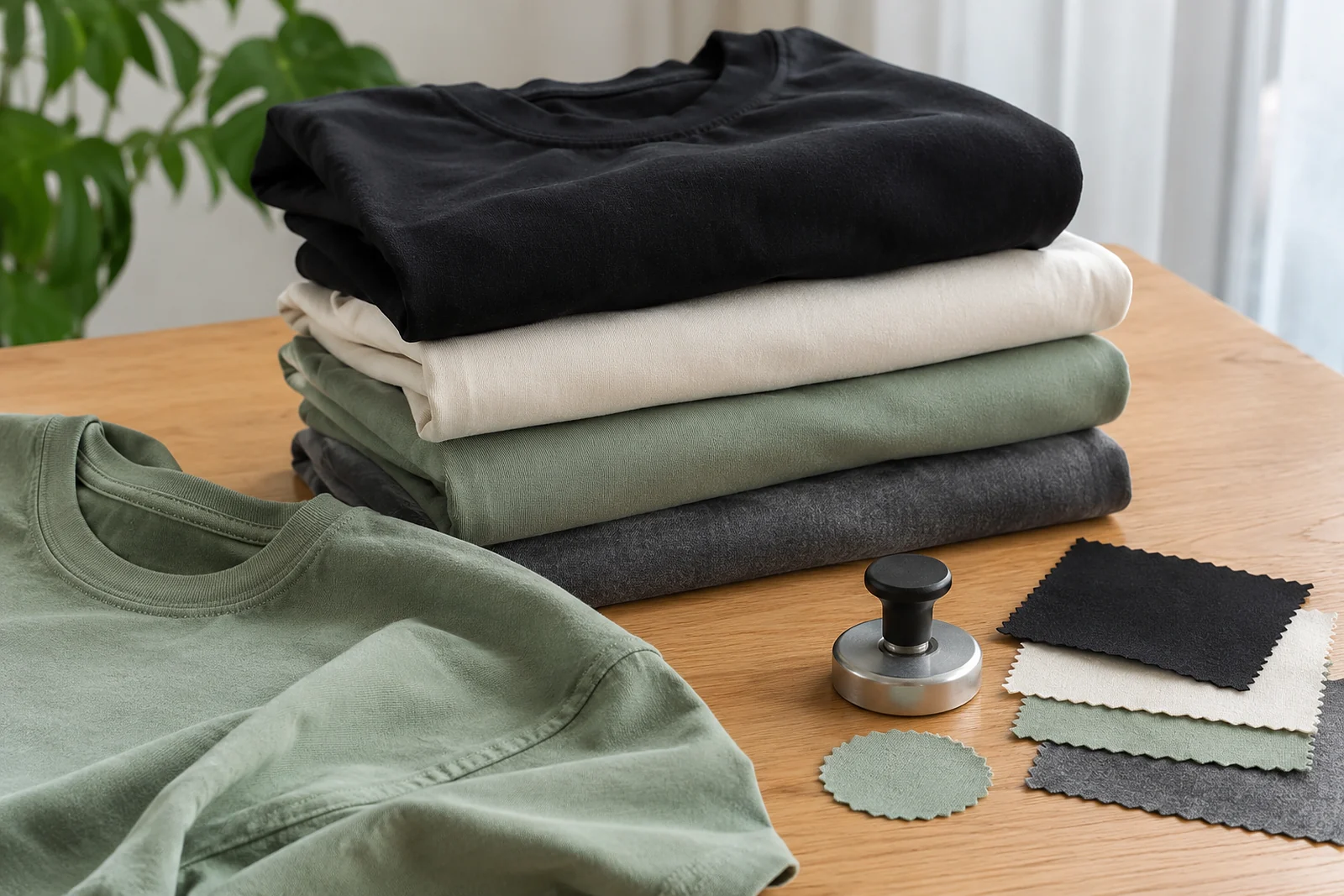
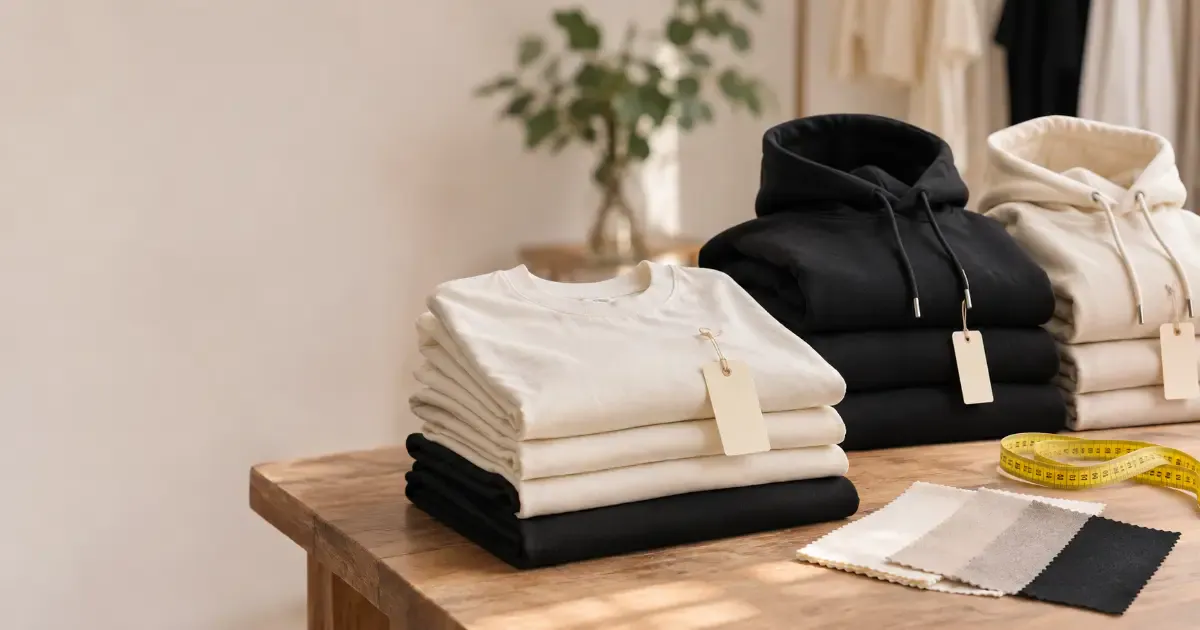
A tighter plan almost always works better. Two or three core styles, each in one or two colors, gives you enough variety to build a storefront and enough depth in each item to avoid selling out of your best sizes in the first week. A heavyweight tee and a pullover hoodie are a common starting pair because they share a size range, cover both warm and cold months, and can carry the same artwork.
Here is one illustrative way a new streetwear label might structure a first order. It is a planning example, not a recommendation for every brand.
- Oversized tee in black: 50 pieces
- Oversized tee in off white: 50 pieces
- Pullover hoodie in black: 50 pieces
- Total: three color runs and 150 pieces
That plan gives the brand three product listings, two price points and a total commitment of 150 garments, instead of several hundred pieces for each style. You can browse the starting points on our oversized T-shirts and pullover hoodies pages.
An illustrative size split for 50 pieces
Inside each 50 piece run, you decide how many of each size to make. Without sales history, most brands lean on a curve weighted toward medium and large. Real Thread, a US printer, published a breakdown of its own orders in which medium and large together made up a little over half of all shirts, with small and XL close behind and 2XL and larger accounting for a small share.
Applied to a single 50 piece color run, a reasonable starting split looks like this:
- Small: 8 pieces (16%)
- Medium: 14 pieces (28%)
- Large: 14 pieces (28%)
- XL: 10 pieces (20%)
- 2XL: 4 pieces (8%)
- Total: 50 pieces
Treat this as a starting point rather than a rule. Customers buying an oversized fit often size down, and a womenswear label or a team order will skew differently again. If you already have data from a store, a preorder list or your social following, use it. After the first run sells, your own sales by size become the best guide for every reorder.
Choose fabric that suits a small run
For a first order, choose fabric for how the garment needs to feel and perform, then confirm what is available. Two details matter more than most new brands expect.
The first is weight. Fabric weight is measured in GSM, or grams per square meter, and it shapes how a garment drapes and how substantial it feels in the hand. Heavier cotton jersey is the usual choice for boxy oversized tees, while hoodies are typically made in French terry or brushed fleece. Our guide to the best GSM for oversized T-shirts covers that decision in detail, and our fabrics page lists the weights we work with, including French terry and fleece.
The second is shrinkage. Cotton knits can shrink after washing unless the fabric has been preshrunk or the pattern allows for it. On a 50 piece order, a size chart that moves a few centimeters after the first wash affects every customer you have. Ask how shrinkage is handled for your fabric, and wash the approved sample yourself before you sign off.
Pick decoration and branding that make sense at 50 pieces
The decoration method affects both the look of the garment and the unit cost of a small order, because some methods carry setup work that gets spread across fewer pieces.
Screen printing needs a separate screen for each ink color, so it suits bold artwork with a limited number of colors. DTF printing transfers full color artwork without individual screens, which makes detailed or multicolor designs more practical in small quantities. Embroidery requires the logo to be digitized into a stitch file once, after which it works very well for small logos on chests, sleeves and caps. Our comparison of DTG, DTF and screen printing goes further into durability and feel.
Branding is where a small order can look like an established label. Low MOQ private label clothing can still carry your own neck labels, care labels, hang tags, polybags and packaging, and these details cost little compared with the difference they make to how customers receive the product. Our articles on custom packaging ideas and private label clothing manufacturing cover the options.
Prepare a manufacturing inquiry that gets an accurate quote
A vague inquiry gets a vague answer. The more of the following you include, the faster you will receive a quote that reflects your actual product.
- Product type and fit, such as a boxy oversized tee or a regular fit pullover hoodie
- Fabric preference, composition and GSM, or a reference garment you like
- Colors and the quantity for each color
- Your intended size split
- Artwork files with placement and approximate print or embroidery size
- Label, tag and packaging requirements
- Destination country and the delivery window you are aiming for
A tech pack brings all of this into one document and usually reduces the number of sample rounds. If you have not made one before, our tech pack guide walks through each section. A clear sketch with measurements and a few reference photos is still enough to start the conversation.
Approve a sample before bulk production
Every bulk order should begin with a sample made to your specification. The sample is where you confirm fit, fabric feel, print or embroidery quality, label placement and measurements against your size chart.
Review it properly. Wear it for a day, wash it according to the care instructions and measure it again. Check that the print has not cracked or faded and that the side seams have not twisted. Write your feedback against specific measurements rather than general impressions, so the next round fixes exactly what you asked for. Once the sample is approved, bulk production at Alif Thread Industries typically takes 15 to 30 working days, depending on the garment and the details of the order.
Common mistakes on a first clothing order
Most problems with small first orders trace back to a handful of early decisions.
- Spreading the budget across too many designs and colors, leaving too few pieces of each to sell well
- Ordering the same number of every size instead of weighting toward the sizes that sell
- Requesting custom dyed colors that push the order above the base minimum
- Skipping the wash test on the approved sample
- Approving artwork without confirming print size and placement in inches or centimeters
- Setting a launch date with no buffer for sampling, freight and customs clearance
Quality control before shipment
A small order deserves the same inspection as a large one, because every defective piece is a bigger share of your stock. In small batch clothing manufacturing, finished garments should be checked against the approved sample for measurements within the agreed tolerance, stitching quality, loose threads, print and embroidery accuracy, color consistency, label placement and packing counts by size.
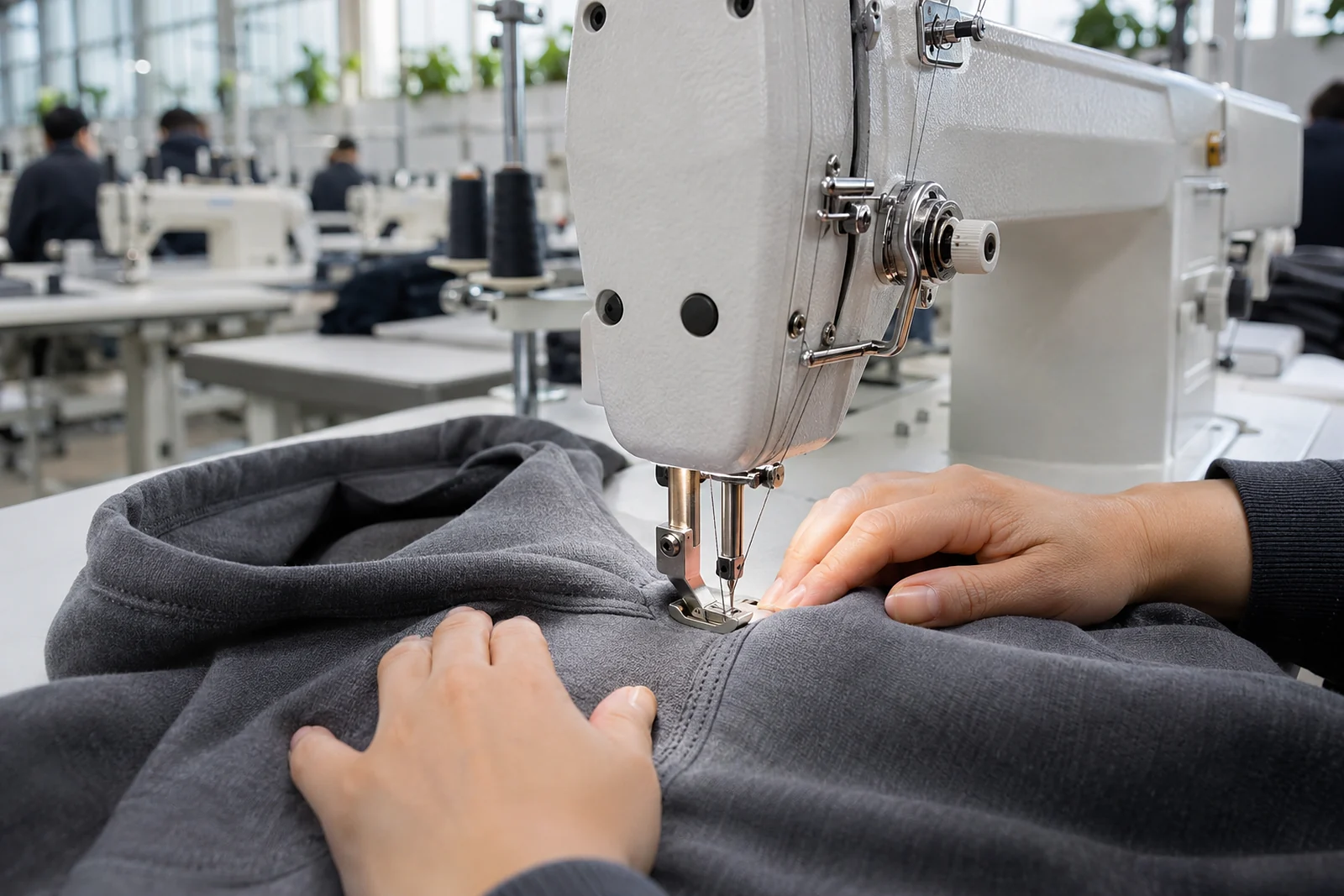
At our factory, orders go through inline checks during production and a final inspection against the approved sample. If you would like photos of the finished goods before dispatch, agree on that when you confirm the order. You can see examples of completed work on our recently manufactured page.
Plan repeat orders as demand grows
The real value of a 50 piece run shows up on the second order. Track which sizes and colors sold out first, how long each style took to sell and what customers said about the fit. That information lets you increase quantities on proven items, drop weak colors and add a new style with far less guesswork.
Ordering more pieces per style generally lowers the unit cost, because setup, cutting and decoration work are spread across more garments. Keep your approved sample and final specifications on file with your manufacturer so the reorder matches the first run. With monthly capacity of more than 20,000 garments, Alif Thread Industries can take a brand from a first 50 piece run to much larger repeat orders without moving production elsewhere.
First order checklist
- Two or three core styles chosen
- One or two colors per style, selected from available fabric
- Size split planned for each 50 piece color run
- Fabric composition and GSM confirmed
- Artwork finalized with placement and size
- Decoration method agreed for each design
- Labels, tags and packaging specified
- Tech pack or detailed sketch prepared
- Sample received, worn, washed and measured
- Bulk quantities and delivery address confirmed
Frequently asked questions
Is 50 pieces enough to start a clothing brand?
For many new brands, yes. Fifty pieces of one design in one color is enough to launch a product, cover a normal size range and collect real sales data, without tying up money in hundreds of units that may not sell.
Does the 50 piece minimum apply to each size?
No. At Alif Thread Industries the minimum applies per color and design, and those 50 pieces can be divided across sizes.
Can I mix colors to reach 50 pieces?
Generally not. Each color is cut from its own fabric, so each color of a design counts as a separate run. Two colors of one hoodie means two runs of 50 pieces.
Does a small order cost more per piece?
Usually, yes. Sampling, cutting and decoration setup are spread across fewer garments, so the unit cost is higher than on a large order. The tradeoff is a much smaller total investment and far less unsold stock.
Do I need a tech pack to place a first order?
A tech pack makes quoting and sampling faster and more accurate, but you can begin without one. A sketch, measurements and reference images are enough for a first conversation, and the details can be refined during sampling.
Can a 50 piece order include my own labels and packaging?
Yes. Private label orders can include your own neck labels, care labels, hang tags, polybags and branded packaging.
Talk to us about your first order
If you are planning a first run, send us your tech pack, sketch or reference images along with the styles, colors and quantities you have in mind. We will confirm the minimum for your exact product and walk you through the options for fabric, decoration and branding. You can contact our team here or read more about our low MOQ clothing manufacturing service for new and growing brands.