 ALIF THREAD
A sample can look perfect in one size and still cause trouble across a full size range. The medium tee fits beautifully. The extra small feels too narrow and the extra large looks out of proportion.
This is why size grading and fit approval matter. The goal is not simply to make garments bigger or smaller. Every size should keep the intended shape, comfort and construction.
This guide explains the practical decisions behind fit approval and grading, so you can review samples well and avoid sizing problems in bulk.
What is size grading?
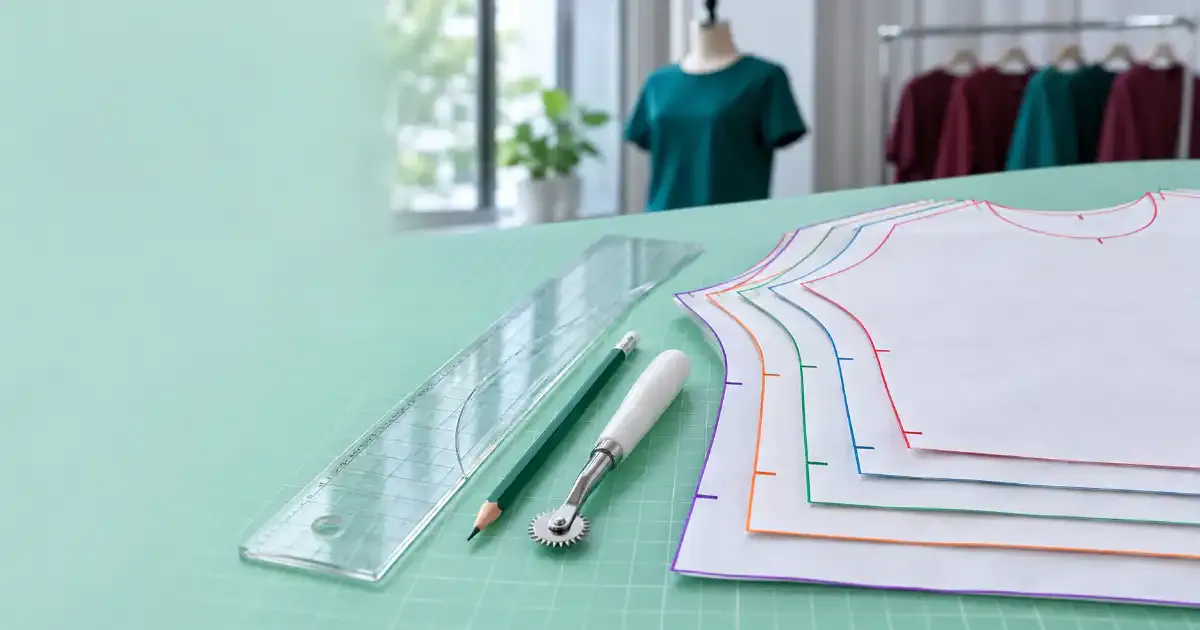
Size grading means creating extra sizes from an approved base pattern using set measurement rules.
For example, a brand may develop its first sample in medium. Once that fits, the factory uses the approved pattern to create small, large and any other sizes needed.
Grading is not the same as scaling the whole pattern up or down evenly. Different parts of a garment need different changes to fit well. A good size range accounts for the customer, the construction, the fabric and the design.
1. Fit development or grading: what is the difference?
Fit development
Fit development decides how the garment should sit on the wearer. It looks at body proportions, movement, comfort, ease and design details.
Size grading
Grading builds the other sizes after the base fit is set. It should keep the design while allowing for the differences between sizes.
If the base sample has a wrong shoulder slope or a tight armhole, grading copies that problem into every size. So approve the base fit before you ask for other sizes.
2. How do you choose a base size?
The base size is the starting point for the pattern. It is often in the middle of the range, but the right choice depends on your customer.
Different brands use different measurements for the same label. A relaxed streetwear medium can be much wider than a fitted fashion medium.
Before you approve a base size, think about:
- Your customer's body proportions
- Your existing size system
- The shape you want
- Your full size range
- How much room you want for comfort
- How much the fabric stretches
Established brands should use their current size charts and customer feedback. New brands can start with a target fit and refine it through samples.
3. Why are body and garment measurements different?
Body measurements describe the person. Garment measurements describe the finished clothing, measured in an agreed way. They are not the same.
The difference is called ease. Design ease creates the look. Functional ease lets the wearer move comfortably.
A loose sweatshirt needs extra room around the body. A fitted stretch top may be smaller than the body because the fabric stretches. A boxy tee has a wide chest on purpose, so its chest measurement should reflect the design, not the wearer's chest.
Always state whether your chart shows body measurements or finished garment measurements.
4. How do grading rules work?
Grading rules say how each measurement changes from one size to the next. They depend on the size system, the body proportions, the pattern and the fit.
The changes are not always equal. Adding the same amount to every measurement can distort the shape.
For example, a relaxed tee might gain more chest width between sizes and less body length. This is an illustration, not a universal formula. The real numbers should come from your agreed grading spec.
Rules also differ for men's, women's, kids and unisex ranges. Ask for a clear size spec rather than assuming standard rules suit your customer.
5. Why do oversized styles need extra care?
In an oversized garment the loose look is part of the design. It should keep that look in every size.
A boxy tee may have wide shoulders, extra chest volume and a short body. If every measurement grows without thought, larger sizes can get too long and lose the boxy shape. The same goes for dropped shoulders, wide sleeves and deep armholes.
When approving oversized styles, check:
- Shoulder seam position
- Chest width and volume
- Body length compared to width
- Sleeve length and opening
- Armhole depth
- Neck opening
- Overall balance on the body
Fabric weight also changes how an oversized garment hangs. Read our guide on the best GSM for oversized t-shirts.
6. Should you test fit while moving?
Yes. A sample can look right standing still and feel wrong in daily use.
- Shirts and jackets: raise the arms, reach forward and check the shoulders and back
- Pants and shorts: sit, walk and bend, and check the waistband
- Activewear: repeat the movements of the sport
Use a fit model whose measurements match your base size. A sample that fits one person does not prove it fits everyone in that size. Separate real pattern problems from personal style preferences.
7. When should you ask for extra size samples?
Approving a medium does not prove every size will fit. For some products it helps to see samples at the small and large ends of the range.
This is most useful for unusual shapes, fitted garments, complex construction or a wide size range. Look for odd changes in proportion. Common examples are sleeves that get too narrow, neck openings that do not scale and pant rises that feel wrong.
8. Can a fabric change break an approved fit?
Yes. This is one of the most practical lessons in clothing development.
Two fabrics with the same weight can stretch, recover, drape and shrink differently. A tee developed in one cotton jersey may fit differently in another jersey with a different knit. A hoodie developed in French terry may hang differently in brushed fleece.
Before you move an existing pattern to a new fabric, ask whether a new sample is needed. Our fabric guide and shrinkage testing guide help here.
9. How do you give clear fit feedback?
Comments like "make it more comfortable" do not tell the pattern maker what to change. Good feedback names the spot, the problem and the change you want.
For example: "The sleeve opening feels tight when the arm is raised. Please add 1 cm." Photos help when they clearly show the problem.
Measure the sample with the agreed method before you send corrections. Keep the latest chart and revision notes together so old specs are not reused by mistake. Our tech pack guide explains how to document specs.
10. Why agree measurement methods and tolerances?
Two people can measure the same garment differently. For example, chest width might be measured flat at a set point below the armhole. Move that point and the number changes.
Agree the measurement points, how the garment lies and how it is measured. Then agree tolerances. A tolerance is the allowed difference between the spec and the finished garment. It depends on the garment, the fabric and your needs. A tolerance should never be used to excuse a wrong pattern.
11. What should you confirm before bulk?
- The final approved base size
- The full list of production sizes
- Approved finished measurements
- Agreed grading rules
- Measurement tolerances
- Approved fabric and construction
- Fit corrections made
- Any extra size samples approved
Size labels and quantities should match the final order too.
12. How many of each size should you order?
Grading sets which sizes exist. It does not say how many to make of each. That is an inventory decision.
Existing brands can use sales history, feedback and returns. New brands should start with a careful size split based on their customer. There is no universal split. A relaxed streetwear brand and a fitted activewear brand will see very different patterns. Our guide on starting with a 50 piece minimum shows a sample split.
Common size development mistakes
- Grading before the base fit is right
- Assuming every brand uses the same measurements
- Adding the same amount to every point
- Changing fabric without checking fit
- Judging samples only when laid flat
- Giving vague correction notes
- Not checking the smallest and largest sizes
- Confirming quantities before the size range is final
Size development at Alif Thread Industries
We are a custom clothing manufacturer in Sialkot, Pakistan. You can discuss fit, sizing and specs with our team before you order. Most styles start from 50 pieces per color and design, and bulk usually takes 15 to 30 working days after sample approval.
See our services or share your design references and sizing needs through our contact page.