 ALIF THREAD
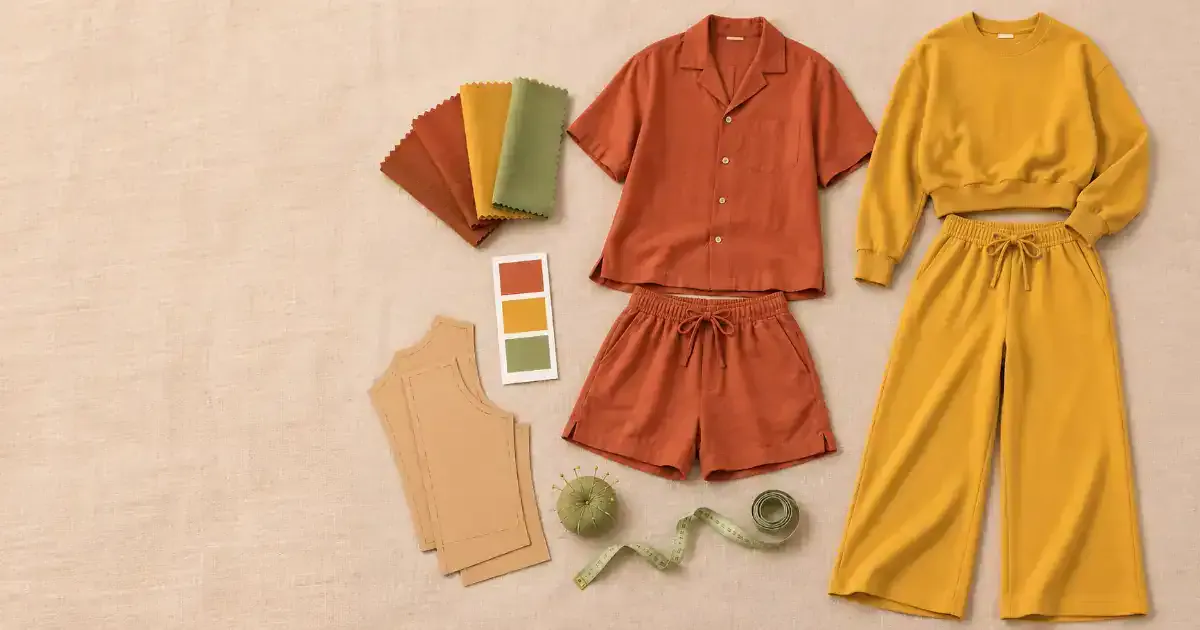
Matching sets are everywhere in 2026. You see them in relaxed tailoring, casualwear, loungewear and contemporary fashion.
For brands the appeal goes beyond selling two garments at once. A set creates a recognizable look, and customers can wear the pieces together or apart.
Making a good set takes careful planning, though. Both pieces must work together in fabric, color, fit, construction and quality. This guide explains how to develop a matching set collection with a custom manufacturer.
Why are matching sets trending in 2026?
A set gives customers a full outfit without any styling effort. Each piece can still be worn on its own, so the customer gets more use from it.
Retailers and fashion editors keep giving coordinated dressing a lot of space. NET-A-PORTER, for example, runs a dedicated edit of matching sets, and many high street stores now list co-ords as their own category.
Sets are not only for tailoring. They work in jersey, fleece, cotton twill and woven fabrics. That lets brands build a collection around one fabric, one palette and one silhouette.
A trend alone does not guarantee sales. A set still needs a clear customer, the right price, a comfortable fit and a strong brand identity.
1. Which types of matching sets can you make?
Shirt and shorts sets
A relaxed shirt with matching shorts suits warm weather and resort collections. These sets often use light woven fabrics, camp collars and elastic waists. Watch the shirt length, short proportions, drape and print position.
Hoodie and jogger sets
These suit casualwear, streetwear and loungewear. Customers expect both pieces to share the same color, texture and feel. Think about how the hoodie shape works with the jogger fit. A very oversized top with very slim pants gives a different look than you may want. See our hoodie and jogger sets.
Sweatshirt and pants sets
Options include a crewneck with wide leg pants or a cropped sweatshirt with relaxed sweatpants. The key is planned proportions, not just two garments in the same color. See our sweatshirt and pants sets.
Tee and shorts sets
A simple and popular summer set. See our t-shirt and shorts sets.
2. Why start with a clear concept?
Define the purpose of the collection before you pick fabric or ask for samples. A premium streetwear set needs different fabric and details from a summer resort set.
Answer these questions first:
- Who is the customer?
- Will the set be worn casually, for travel or for a sport?
- Should the fit be relaxed, oversized, regular or tailored?
- Will you sell the pieces together or separately?
- Which fabric weight and texture suit the product?
- Which colors fit your brand?
- What retail price are you aiming for?
These answers shape sourcing, development, planning and the final quote. A focused collection is easier to develop than many unrelated designs.
3. Which fabrics work for matching sets?
The fabric must suit both pieces. A fabric that works for a loose top may not give the structure or coverage a pair of pants needs.
- Cotton jersey: relaxed tee sets and everyday wear
- French terry: sweatshirts, relaxed pants and casual sets
- Fleece: hoodie and jogger sets for cold weather
- Woven cotton such as twill or linen: shirts, shorts, trousers and light jackets
Look at physical swatches early. Check softness, shrinkage and pilling before you decide. Our guide on how to choose the right fabric can help.
4. Why is color matching so important?
Color matching is the most overlooked challenge in sets. A hoodie and joggers can share the same color name and still look different side by side.
Differences come from fabric construction, dyeing, fiber, finishing and fabric batches. Even with the same color reference, two different fabrics can look different.
For closely matched sets:
- Use the same approved fabric for both pieces where possible
- Confirm both pieces come from the same production lot
- Check color samples under the same light
- Compare finished samples side by side
- Agree what level of difference is acceptable before bulk
A screen is never a substitute for real fabric. For printed sets, check that the print lines up and stays consistent across different panel shapes.
5. How do you get the proportions right?
Both pieces should look intentional together. Develop them as a pair, not as two separate products.
A boxy tee with wide leg shorts is a good example. The tee length, shoulder width and hem position all change how the outfit looks.
Key fit decisions include:
- Top length against the bottom
- Shoulder width and sleeve shape
- Waistband position and construction
- Pant rise and leg opening
- Overall ease
- Grading across sizes
Make a measurement chart for each piece and review the full outfit at sample stage. A real fit check shows problems that a flat photo hides. Our size grading and fit approval guide explains how.
6. Should you sell sets together or separately?
Decide this before production. It affects sizing, packing, stock and quantities.
Selling complete sets
One listing makes shopping simple and shows the full look. The catch is sizing. Many people wear a different size on top and bottom. If you sell sets only together, decide whether customers can mix sizes.
Selling separate pieces
Separate listings let customers pick their own sizes. It needs careful stock planning. You may sell more medium tops than medium bottoms, so equal quantities can leave stock unbalanced.
7. How should you plan quantities?
Be clear whether your quantity means sets or pieces. An order for 100 sets usually means 100 tops and 100 bottoms. Write that into the order.
Confirm the quantity for each style, color and size. We start from 50 pieces per color and design for most styles. Confirm the exact minimum for your set, especially if the two pieces use different fabrics. A focused first collection lets a small brand test what sells before adding colors. Our guide on starting with a 50 piece minimum explains how.
8. What should you check on set samples?
Sampling matters even more for sets, because you judge each piece alone and together. A top may fit well alone but look too long with the pants.
Check:
- Fabric look and consistency
- Color match between pieces
- Fit of each piece
- Proportions when worn together
- Waistband and pocket construction
- Stitching and finishing
- Print or embroidery position
- Measurements
- Look after washing
If you change one piece, check how it affects the whole set.
9. How should you brand a matching set?
Sets let you repeat branding across pieces. Options include embroidered logos, prints, woven labels, custom colors and small repeated details.
Size and place the logo for each garment. A chest logo on a sweatshirt may need a different size from a logo near a pants pocket. Make sure the decoration suits the fabric, since embroidery behaves differently on light stretchy fabric. See our services.
10. What happens in production?
After approval, production follows the agreed specs. Quality checks should look at consistency between the two pieces in each set, especially color. Printed sets need print position checked on each panel. Bulk with us usually takes 15 to 30 working days after sample approval. Plan launch dates with that in mind, especially when several sets must arrive together.
Matching sets at Alif Thread Industries
We are a custom clothing manufacturer in Sialkot, Pakistan with monthly capacity of more than 20,000 garments. Our catalog includes tracksuits, hoodie and jogger sets, tee and shorts sets and sweatshirt and pants sets. Browse our tracksuits and sets or read about streetwear trends.
Share your design references, fabrics, colors and quantities through our contact page for a quote.